Today’s families are turning decluttering and home organisation into an art form – and a much-followed social media trend. In the UK, a wave of influencers across Instagram, TikTok, YouTube, and blogs are inspiring millions to tidy up, minimise excess, and get creative with storage. From devotees of minimalist living to busy parents managing toy chaos on a budget, these influencers share philosophies and tips that resonate in Britain’s often space-tight homes.
They demonstrate how clearing clutter can reduce stress and how smart storage hacks can maximise every inch of living space. Many even offer structured challenges and checklists to kickstart your decluttering journey.

In this article, we profile some of the top UK-based decluttering and storage influencers. Each brings a unique approach – be it the joy of “tap to tidy” transformations, the calm of minimalist wardrobes, or the pragmatism of toy rotation and labelled baskets.
We’ll cover their primary platforms, core philosophies (from KonMari-inspired joy-checking to plain old British common-sense), why they’ve struck a chord with UK audiences, and a few standout tips you can borrow for your own home. Let’s meet the gurus of organised living in the UK (with links to their official profiles and sites for further inspiration) and see what we can learn from their clutter-busting prowess.
Top Influencers Summarised
- Stacey Solomon (@staceysolomon) – A relatable mum who turns tidying into quick, satisfying wins; makes decluttering feel achievable for busy families.
- Sophie Hinchliffe (@mrshinchhome) – The UK’s queen of clean who blends cleaning and decluttering for anxiety-reducing, feel-good routines.
- Nicola Lewis (@thisgirlcanorganise) – Down-to-earth professional organiser with family-friendly, maintainable systems.
- Dilly Carter (@declutterdollies) – Tough-love empathy plus design eye; systems that stick for British family homes.
- Rachel Burditt (@thedeclutterdarling) – Mum-friendly challenges, creative small-space hacks, and genuinely low-cost kit.
- Gemma Bray (@the_organised_mum) – A weekday routine that frees UK weekends—hugely popular with time-poor parents.
- Anna Newton (@theannaedit) – Minimalist but warm aesthetic; practical systems for smaller city homes.
- Madeleine Olivia (@madeleineolivia) – Pairs decluttering with low-waste, budget-savvy living; ideal for eco-minded households.
- Emily Norris (@mrsemilynorris) – Real-life family routines; small habits with big impact.
Stacey Solomon (@staceysolomon)
Family-Friendly “Tap to Tidy”
Why the UK loves her: A relatable mum who turns tidying into quick, satisfying wins. Her playful Tap to Tidy before/after reveals make decluttering feel achievable for busy families.
Core approach
- Make tidying enjoyable; small daily resets over perfection.
- Budget storage (jars, baskets), heavy on labelling and simple zones.
- Realistic spaces: toys away by evening, grown-up lounge restored.
Standout tips (lift & use)
- Tap to tidy routine: snap a “before”, do a 10–15 minute blitz, snap the “after”.
- Create one toy hub with soft baskets that slide under sofas.
- Label everything (kids can help stick labels = built-in habit).
Platforms: Instagram; books; family TV formats.
Sophie Hinchliffe (@mrshinchhome)
Clean & Organise with “Mrs Hinch”
Why the UK loves her: The UK’s queen of clean who blends cleaning and decluttering for anxiety-reducing, feel-good routines.
Core approach
- Cleaning as therapy; tidy first, clean second.
- Daily reset habits (make beds, clear counters).
- Baskets and caddies to group categories; keep products contained.
Standout tips (lift & use)
- Caddy system: one portable kit per floor/zone.
- Drawer baskets to prevent “cupboards of doom”.
- One-year honesty check: if unused for a year (and not seasonal), consider donating.
Platforms: Instagram, TikTok, books, product collabs.
Nicola Lewis (@thisgirlcanorganise)
“Mind Over Clutter”
Why the UK loves her: Down-to-earth professional organiser with family-friendly, maintainable systems.
Core approach
- Emotional as well as physical declutter: Keep / Recycle / Donate / Sell.
- Power Hour: one space, timer on, finish fully.
- “One in, one out” to stop rebound clutter.
Standout tips (lift & use)
- Create a Donation Station at home – drop items in all week, take to charity when full.
- Tackle by category (all books, all mugs) to spot duplicates.
- 15-minute daily tidy to prevent weekend overwhelm.
Platforms: Instagram, book, TV/radio expert slots.
Dilly Carter (@declutterdollies)
“Create Space” (BBC’s Sort Your Life Out)
Why the UK loves her: Tough-love empathy + design eye; systems that stick for British family homes.
Core approach
- 4-step reset: Empty → Group → Edit (Rubbish/Recycle/Return) → Re-organise.
- Label everything so the whole family can maintain.
- Buy storage after editing, not before.
Standout tips (lift & use)
- Empty first (even a single drawer) to reset from zero.
- Repurpose low-cost containers before buying more.
- Kitchen as priority hub: clear counters, defined prep zones.
Platforms: Instagram, books, TV, courses.
Rachel Burditt (@thedeclutterdarling)
Joyful, Budget-Friendly Storage
Why the UK loves her: Mum-friendly challenges, creative small-space hacks, and genuinely low-cost kit.
Core approach
- Consistent mini-declutters; 30-day micro-areas (spices, socks, one shelf).
- Place for everything with dividers, door-back organisers, under-bed boxes.
- Vertical fold (file fold) for visibility and space.
Standout tips (lift & use)
- One-touch paper rule: file, action, or recycle immediately.
- Toy rotation – halve what’s out; swap fortnightly.
- Measure first; only buy storage that fits the edited load.
Platforms: TikTok, Instagram, blog.
Gemma Bray (@the_organised_mum)
The Organised Mum Method (TOMM)
Why the UK loves her: A weekday routine that frees UK weekends—hugely popular with time-poor parents.
Core approach
- Daily “levels”: quick resets + one room focus (30 mins).
- Rotating Focus Day for deeper tasks/declutters.
- Family involvement (kids have age-appropriate jobs).
Standout tips (lift & use)
- 15-minute blitz with a timer and music – the whole family joins.
- Clutter basket per room: collect, then re-home nightly.
- “Clean enough” over perfection to maintain momentum.
Platforms: Blog, app (iOS/Android), Instagram, YouTube, books.
Anna Newton (@theannaedit)
Capsule Wardrobes & an “Edited” Life
Why the UK loves her: Minimalist but warm aesthetic; practical systems for smaller city homes.
Core approach
- F.U.L.L. test for anything: Functional, Used (last year), Loved, or Liked.
- Capsule wardrobe: fewer, better pieces that mix-and-match.
- Digital declutter: inbox, apps, budgeting and meal plans.
Standout tips (lift & use)
- Seasonal edit: store off-season clothes to reveal gaps.
- Clear bins for bathrooms/kitchens so stock levels are obvious.
- Brain-dump declutter of commitments: cancel or simplify non-essentials.
Platforms: Blog, YouTube, Instagram, book.
Madeleine Olivia (@madeleineolivia)
Sustainable Minimalism
Why she matters (UK context): Pairs decluttering with low-waste, budget-savvy living – ideal for eco-minded households.
Core approach
- Own less, use more; quality over quantity.
- “100 things to declutter” entry points; one-year rule.
- DIY cleaners, reusables, second-hand first.
Standout tips (lift & use)
- Waste audit during declutter to change future buying.
- 30-day reuse challenge before discarding.
- Clear worktops; store rarely used appliances out of sight.
Platforms: YouTube, Instagram, book, blog.
Emily Norris (@mrsemilynorris)
Mum Hacks that Actually Work
Why the UK loves her: Real-life family routines; small habits with big impact.
Core approach
- Evening family reset (10–15 mins) so mornings are smoother.
- School-run “command centre” by the door (hooks, cubbies, calendar).
- Poundland / IKEA storage that’s kid-proof.
Standout tips (lift & use)
- Basket method for rapid tidies room-to-room.
- Picture labels for pre-readers on toy bins.
- Declutter as you go (e.g., pull one outgrown item during each laundry put-away).
Platforms: YouTube, Instagram.
The 30-Day Decluttering Challenge (UK Edition)
From Influence to Action
UK decluttering and storage influencers such as Stacey Solomon, Mrs Hinch, Nicola Lewis, and Dilly Carter show that small, realistic steps can make a huge difference in how our homes feel. Whether it’s Stacey’s joyful Tap to Tidy transformations, Nicola’s Power Hour edits, or Rachel Burditt’s toy rotation systems, the common thread is clear: consistent, bite-sized action builds lasting change.
But inspiration alone won’t clear your cupboards. That’s why we’ve created the 30-Day Decluttering Challenge – a structured, room-by-room plan designed for busy families living in city apartments and homes. Each task takes just 30–60 minutes a day, helping you move from ideas to results without overwhelm.
Week 1: Kitchen & Family Hub
- Kitchen Cupboards (Uppers)
- Declutter mugs, glasses, and seasonal serveware.
- Keep only sets that stack neatly.
- Kitchen Cupboards (Lowers)
- Pare down pans and baking trays.
- Add vertical dividers to save space.
- Kitchen Drawers
- Sort utensils, cutlery, and gadgets.
- Use organisers to stop “junk drawer” chaos.
- Pantry & Dry Goods
- Remove expired items.
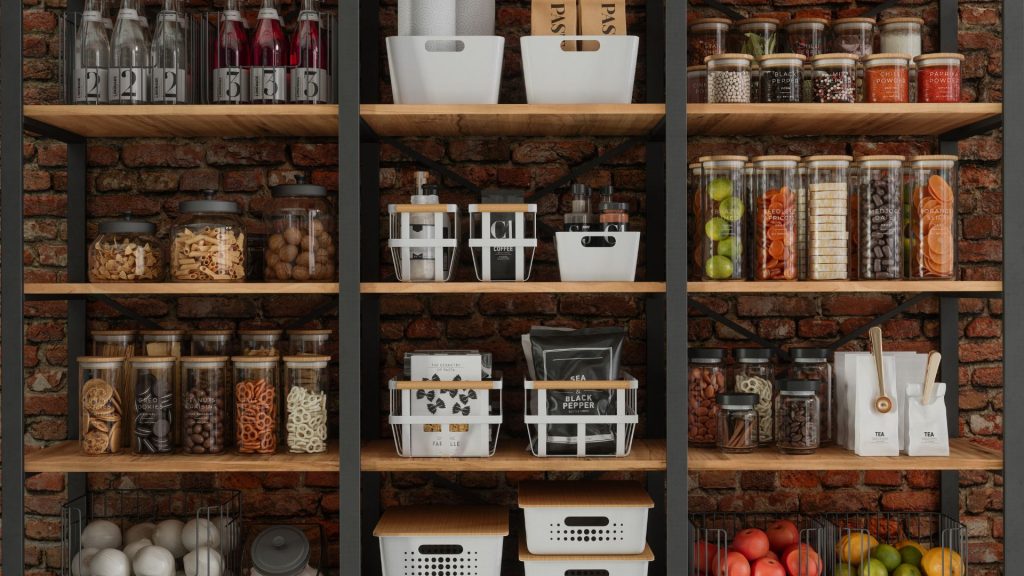
- Decant into labelled jars (influencer tip: Stacey Solomon).
- Fridge Reset
- Clear shelves, wipe surfaces, create food zones.
- Dining Area
- Clear table, sideboards, and surfaces.
- Store seasonal tableware out of sight.
- Family Room Toy Hub
- Rotate toys: one out, one stored.
- Use labelled baskets (Rachel Burditt tip).
Week 2: Master Bedroom & Bathroom
- Kids’ Corner / Play Zone
- Edit toys. Donate duplicates.
- Use picture labels for pre-readers (Emily Norris).
- Bedside Tables
- Keep only lamp, book, and essential items.
- Dressers
- Fold clothes vertically (file fold).
- Donate anything unworn in the last year.
- Wardrobe (His)
- Build a capsule wardrobe.
- Group shirts, trousers, shoes by type.
- Wardrobe (Hers)
- Prioritise maternity wear or seasonally relevant pieces.
- Pack away off-season clothes in vacuum bags.
- Linen Cupboard
- Limit to two sheet sets and two towels per person.
- Store extras neatly rolled.
- Bathroom Under-Sink
- Remove expired toiletries.
- Use caddies for grouped products (Mrs Hinch method).
Week 3: Children’s Bedrooms & Shared Spaces
- Toddler Bedroom
- Clear outgrown clothes and toys.
- Store keepsakes in memory boxes.
- Toddler Wardrobe
- Bag outgrown clothes for charity donation.
- Nursery or Spare Room Clear
- Strip the room to essentials.
- Prepare for incoming baby or guests.
- Nursery Wardrobe
- Assign space for baby gear.
- Use clear bins for visibility.
- All Bathrooms
- Streamline to products used weekly.
- Add one family hygiene basket.
- Guest/Bonus Space
- Keep only bedding, towels, and essentials.
- Move non-essentials to labelled storage.
- Home Office / Work Area
- Digitise paperwork.
- Remove spare cables and tech clutter.
Week 4: Utility & Lifestyle Areas
- Laundry Cupboard
- Store detergents in baskets.
- Create separate hampers for lights and darks.
- Entryway & Shoe Zone
- Limit to one pair of shoes and coat per person in-season.
- Add hooks for school bags.
- Hallway Storage
- Clear pathways.
- Use slim shoe cupboards or wall hooks.
- Digital Declutter (Files & Photos)
- Delete duplicates.
- Back up family photos to cloud storage.
- Digital Declutter (Email & Accounts)
- Unsubscribe from spam.
- Organise bills and passwords.
- Children’s Gear & Equipment
- Review prams, highchairs, car seats.
- Keep essentials; donate duplicates.
- Sentimental Items
- Sort keepsakes into labelled memory boxes.
- Keep only what sparks joy (Marie Kondo principle).
- Balcony / Outdoor Space
- Tidy planters, fold away unused furniture.
- Add storage boxes for small tools.
- Catch-Up & Celebrate
- Revisit any unfinished area.
- Take “before and after” photos.
- Plan a monthly 15-minute reset (Nicola Lewis tip).
Why This Challenge Works
- Daily bite-sized actions prevent overwhelm.
- Rotation systems (toys, clothing) keep clutter under control.
- Labelling & baskets create family-wide habits.
- Digital declutter is as vital as physical space.
Trusted Guidance
- NHS highlights that clutter can increase stress and reduce sleep quality – a tidy home supports mental wellbeing (NHS: Mental wellbeing).
- gov.uk provides official rules on furniture donations, particularly fire-safety regulations for upholstered items (gov.uk: Furniture reuse).
Final Note
Decluttering transforms your home into a calmer, more joyful space. But not everything needs to go. Some items are simply not for today (baby gear for later, sports kit for the season, family keepsakes). For those, a flexible local storage unit can extend your home, keeping living areas clear while life evolves.
Lockit Local offers a smart extension of your home so you can live uncluttered, even in the city
Making More Room for What Matters (and When You Need More Space)
Of course, in real life our belongings sometimes exceed our immediate space – especially in city living. When that happens, it doesn’t mean you failed at decluttering; it might just mean you need a flexible extension of your home. That’s where a service like Lockit Local can be a smart, stress-free ally.
Many Londoners and UK families turn to off-site storage for those items they genuinely need or treasure but can’t comfortably keep on-site (think: the buggy the toddler outgrew, winter sports gear, Grandma’s heirloom furniture). With a reliable local storage option, you can keep your home clutter-free and still access your extra belongings whenever needed.
It’s like having an external closet or garage – giving you breathing room at home without saying goodbye to things that matter.