Downsizing your home is more than just moving to a smaller space. It’s a shift in mindset, a remix of your lifestyle, and often a balancing act between keeping what matters and letting go of what doesn’t. In that balancing act, storage often becomes not a luxury, but a necessity.
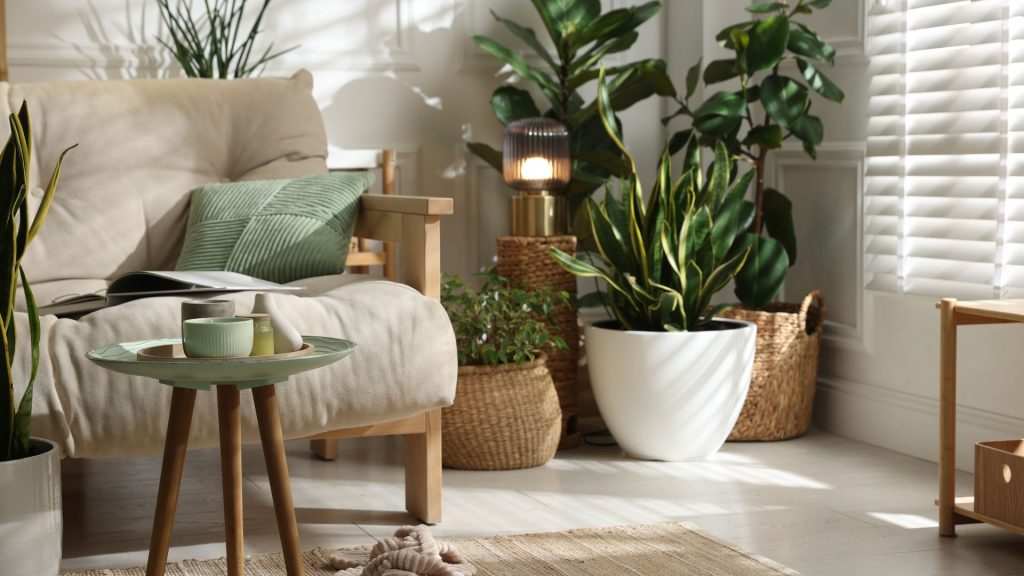
Here’s why storage should be part of your downsizing plan, with tips, pitfalls, and strategies to make it smart and sustainable.
The Downsizing Dilemma: What to keep, what to ditch?
When you move into a smaller home, one of your first battles is deciding what fits, physically, emotionally, and functionally. Some pieces are obvious candidates to leave behind: bulky furniture, duplicate décor, unused gear. But many things are trickier: seasonal equipment, sentimental items, heirlooms, or furniture you “might want later.”
If you try to force everything into your new space, you’ll end up with clutter wars. If you purge too aggressively, you may later regret losing something meaningful. Storage offers a buffer, a transitional “holding area” for items you’re not ready to commit to discarding.
Key Benefits of Having Storage When Downsizing
Here are the major advantages of integrating storage into your downsizing journey:
1. Flexibility and Time to Decide
Rather than making rushed “keep or toss” decisions, you can move ambiguous items into storage and live in your new home for a while before reclaiming or letting go. That breathing room often leads to better, less regretful decisions.
2. Maintaining Sentiment Without Sacrificing Space
Family heirlooms, photo albums, and sentimental furniture rarely fit neatly into a downsized layout. Storage lets you preserve those treasures without letting them overwhelm your new space.
3. Cost Savings via Smaller Home, Not Bigger Closet
By moving into a smaller residence, you often slash rent/mortgage, property taxes, insurance, utility bills, and maintenance expenses. The cost of a modest storage unit is usually far less than keeping an extra room or garage at home. Some estimates show that downsizing plus storage can reduce housing and living costs even after deducting storage fees.
4. Staging & Selling Advantage
If you’re downsizing by selling a property, clearing clutter is essential. Storage gives you a place to stage your old home, removing bulky items helps buyers visualise space, and professional staging becomes easier. Many agencies use temporary storage to help sellers present their homes better.
5. Safe Storage During Transition or Renovation
When you move into a place that needs work (painting, flooring, refurbishing), your stored goods stay safe and dust-free. You don’t have to keep juggling items room to room during work phases.
6. Scalability & Gradual Unpacking
You don’t have to bring everything in at once. Use storage as a buffer, bring in what fits, live with it, and then gradually bring over or remove items. You can even downsize your storage unit later as your needs shrink.
How to Use Storage Smartly in Downsizing
Not all storage strategies are equal. Here’s how to make your arrangement work for you, not against you.
A. Sort With Intention Before Packing
Don’t just haul boxes off to storage. Before anything moves, categorise into:
- Keep: essentials, daily-use items
- Store: ambiguous or seasonal items
- Donate / Sell: items with value that you won’t reuse
- Discard: broken, worn-out, or irreparable
Always aim to reduce volume before paying for storage space.
B. Choose the Right Type of Storage Unit
Look for these features:
- Climate control: ideal for wood, fabric, art
- Security: cameras, access control, locks
- Accessibility: 24/7 access or convenient hours
- Flexible lease terms: month-to-month options
- Shelving / racking: helps you use vertical space
C. Pack & Store Strategically
- Use uniform boxes and sturdy containers
- Label clearly (include category, date, contents)
- Put frequently accessed items near the front or top
- Leave an aisle so you don’t box yourself in
- Use pallets or raised floors to avoid damp damage
- Protect fragile items with wrap or padding
D. Reassess Periodically
Every 3–6 months, revisit what’s stacked in storage. If something hasn’t been touched, perhaps it’s time to sell, donate, or permanently let it go. This helps you downsize storage over time.
E. Be Wary of Emotional Storage Traps
Sentimental items might feel like they always deserve a place, but experts caution that storing emotional items indefinitely can backfire, out-of-sight might mean out-of-mind, and damage or loss feels harsher. Opt to digitise, display, or preserve the highest-value memories, rather than stashing them indefinitely.
Real-Life Scenarios: Storage in Action
Here are a few scenarios that show how storage can be a gamechanger when downsizing:
- The furniture dilemma: You love your dining table, but it won’t fit the new kitchen. Store it temporarily and decide whether to rotate it in later or sell it.
- Seasonal overflow: Keep your winter boots, Christmas decorations, camping gear in storage; bring the essentials home.
- Staging for sale: Remove bulky living-room furniture into storage so prospective buyers see light, space, and flow.
- Renovation buffer: While decorating your new place, keep your items off-site until the floors, paint, and fixtures are done.
Potential Risks & How to Mitigate Them
Using storage has enormous upsides, but it’s not without potential pitfalls. Be aware and protect yourself:
- Costs stack up: If you store too much for too long, storage fees can become burdensome. Keep a plan to reduce.
- Damage or degradation: Poorly packed items can suffer from humidity, pests, or wear. Use climate control and protective packaging.
- Loss of connection: Sometimes important items get “forgotten” in long-term storage. Keep good inventory, and revisit periodically.
- Overreliance: Don’t use storage as a forever crutch. The goal is a life with less friction, not endless deferral.
Downsizing + Storage: A Smart Equation
Here’s how the numbers often look:
- Move out of the larger home → reduce mortgage/rent, taxes, utilities.
- Use storage for overflow → keep valuables safe without clutter at home.
- Over time, review your stored items: sell, donate, remove what you don’t truly need.
- Downgrade your storage unit size as your inventory shrinks.
That’s a cycle: lower housing cost → lower home burden → efficient storage usage → even smaller storage → less cost overall.
So, downsizing isn’t about shrinking your life. It’s about enlarging your freedom. It’s about reducing daily friction and refocusing on what matters most: people, experiences, and meaningful spaces. Storage, when used thoughtfully, can be your secret ally, not your crutch, in that transformation.
If you approach it with intention, your new home won’t feel smaller. It’ll feel clearer, calmer, and better curated. And everything else? It can rest in storage, safe, retrievable, and waiting, for as long as you need.