When you rent a self-storage unit or even organise a storage room at home, simply piling things up is not enough, you want to maximise the space, protect your items, and be able to find everything later. Getting the best out of your storage space means packing and arranging it smartly.
Here are some top tips to utilise every cubic foot and keep your stored belongings in good shape:
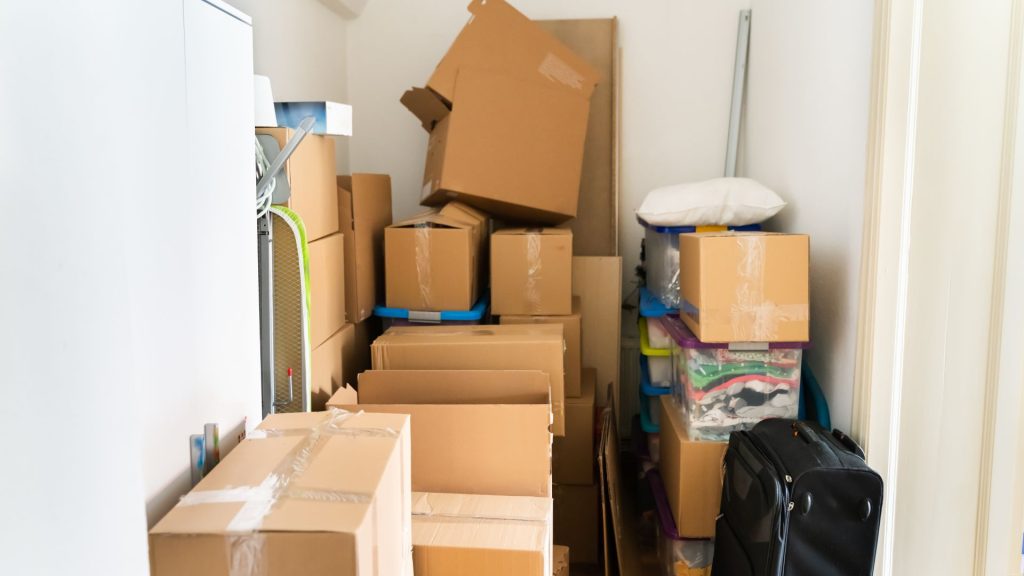
Declutter Before Storing
Storage space is valuable, so don’t waste it on items you don’t truly need. Before you pack, pare down your possessions. Go through your things and ask: do I need this or plan to use it in the foreseeable future? The more you declutter now, the more space (and money) you save.
As one guide put it, maximising space in your storage unit is difficult but not impossible, it starts with using these tips… including learning how to declutter. So, donate or toss what you can. The storage unit shouldn’t be a dumping ground for junk, it should house things you care about or will use. Once you’ve trimmed the inventory, categorise what’s left (e.g. “winter clothes”, “kitchenware”, “furniture pieces”, etc.) to make the next steps easier.
Use Uniform, Sturdy Boxes and Quality Packing Materials
To efficiently fill a storage unit from floor to ceiling, it helps to have boxes of consistent sizes that can stack neatly. Invest in good strong boxes or plastic totes that won’t collapse, this allows you to stack higher safely. Using high-quality packing materials (sturdy boxes, packing tape, bubble wrap, furniture covers) ensures your items last and aren’t damaged under weight. Fill boxes completely (to prevent collapsing) but avoid making any one box too heavy to lift.
Place heavier items at the bottom of boxes and lighter on top. Label every box clearly on multiple sides with its contents, you’ll thank yourself later when trying to find things. If possible, number the boxes and keep a simple list of what’s in each (even a photo of the box contents before sealing can be useful). Strong, uniformly packed boxes can be stacked in tall columns, which really uses the vertical space of your unit.
Utilise Vertical and Wall Space
Think of your storage unit like a tiny warehouse, you want to use the full height and wall area. Don’t just spread things on the floor. Stack boxes to the ceiling, putting the heaviest, most stable ones at the bottom. If you have shelves, bring them in, a shelving unit lets you store boxes in vertical tiers without crushing anything and also gives you easier access. In fact, installing freestanding open shelves along a wall is a great way to use space efficiently. Additionally, use the walls themselves: some storage facilities allow you to mount pegboards or hooks, you can hang tools, bags, hoses, even chairs on the wall.
Every bit of wall space used is floor space saved. People often ignore the walls and end up with everything on the floor, which can get “congested and cramped” and hard to navigate. By going vertical, you leave yourself room to move and also prevent damage (nothing’s being squashed at the bottom of a huge pile). Just be sure that your stacked items or shelves are stable, you don’t want a tower of boxes toppling over when you pull one out. Distribute weight evenly and put lighter boxes or bulky but light items (like duvets or pillows in bags) at the very top.
Store Furniture Smartly
Large furniture can eat up space, so use some tricks to maximise their footprint. Disassemble furniture whenever possible, take apart bed frames, remove table legs, take shelves out of bookcases, etc., and store those pieces vertically against a wall. Keep the screws/hardware in a labeled bag taped to the item.
For sofas and couches, store them standing on end (vertically) if ceiling height allows, this dramatically cuts the floor space they use. Mattresses should also stand upright on their long edge (use a breathable cover to protect them). If you have chairs, stack or nest them: for example, stack dining chairs seat-to-seat (put a cloth or paper pad between so they don’t scratch).
An alternative is to turn a table on its side or upside down, sometimes you can slide boxes or smaller items between its legs. Dressers or chests: utilise them by filling the drawers with clothes, linens, or small items (in plastic bags), this is free storage space inside a piece of furniture. Just wrap the dresser in stretch wrap afterward so the drawers stay shut. Also, you can set lighter boxes or items on top of sturdy furniture pieces like dresser tops or washer/dryers (pad them to avoid scratches). Essentially, make every furniture item pull double-duty: inside, on top, or under something else.
Maintain Accessibility, Map it Out
One mistake is cramming a storage space so full that you can’t reach things without unloading half the unit. To get the best use, you also want to be able to find and retrieve items easily. Reserve a small aisle or pathway in your unit if size allows, or at least leave a gap between stacks so you can step in. Store frequently needed items near the front of the unit, and seasonal or rarely-used items toward the back. It can be hugely helpful to sketch a simple map of your storage unit layout, note on paper (or in your phone) where major categories are located (e.g., “Boxes 1-5 (Holiday Decor) on left wall, Bikes hung on right wall, Couch and bed frames at back,” etc.).
This mapping doesn’t need to be detailed to every box, but a general layout drawing will help you recall the arrangement. Some storage users tape an inventory list or map inside the unit door for quick reference. By labeling boxes clearly (as mentioned) and possibly numbering them, you can also keep an inventory list that corresponds to those numbers. For example, your list might say “Box #12, Kitchen misc (toaster, blender, pots), located middle right stack”. It sounds a bit obsessive, but when you come back in 6 months looking for the waffle iron, you won’t have to play storage unit Tetris. Mapping and labeling is the extra mile that makes your storage experience hassle-free.
Protect Your Items and Space
To truly get the best out of storage, you need to ensure items come out in good condition. That means preventing damage and deterioration while in storage.
A few tips: Keep items off the floor, use pallets, 2x4s, or even plastic tarps on the ground. This not only guards against potential minor flooding or spills, but also allows airflow. Speaking of airflow, avoid sealing everything in plastic. It may be tempting to wrap items completely, but trapped moisture can cause mold. For example, rather than wrapping a fabric couch entirely in plastic, use a breathable cloth cover or moving blankets (with maybe plastic over that loosely).
Similarly, leave a small gap between the walls and your items to promote circulation. Cover furniture and mattresses with appropriate covers to keep dust off. Use fragile labels on boxes of breakables and don’t stack heavy items on top of those. If storing appliances, make sure they’re dry (defrost freezers, drain washing machines) and wedge the doors ajar for ventilation.
Also, don’t forget about climate: if your unit isn’t climate-controlled, consider using desiccant packs or moisture absorbers in boxes of books or clothes to avoid humidity damage. Lastly, periodically visit your unit if it’s long-term storage, check that everything is okay, no pests, no leaks, etc. By taking these precautions (many of which are simple), you preserve your belongings so that when you retrieve them, they’re just as good as when they went in.
Using these strategies, you can truly maximise your storage space and keep it organised. A well-packed and thought-out storage unit means you store more, store smarter, and can access what you need without a headache. It’s about working with the space (vertical and wall storage, proper stacking) and not against yourself (by packing haphazardly or without a system). With a little extra effort upfront, you’ll get the best use out of every cubic foot of storage, and your items will thank you for it by staying safe and sound until you need them next.