Selling a furnished house comes with a unique challenge: what do you do with all the “stuff” while trying to show the home at its best? Cluttered or overly personalised spaces can turn off buyers, so it’s important to declutter and store many of your movable items during the selling process. Whether you plan to move those items to your new home later or are just temporarily stashing them, proper storage is key to keeping them safe and your house looking great for showings. This guide will walk you through how to store your movable items efficiently and safely when selling your furnished house, ensuring a smoother sale and transition.
Declutter and Decide What Needs Storing
First, selectively remove items that are personal, excessive, or distracting. You want your house to appear spacious and allow buyers to envision themselves there. Go room by room and identify things to store: family photos, kids’ artwork, collections, extra furniture that crowds the space, off-season clothes, most of your knick-knacks. As one storage expert notes, “The way you live in a home and the way you sell a home are very different things”. You’re aiming for a clean, neutral look. So, decide which items you need to keep around for daily life during the sale (essentials) and which can be packed up. Non-essentials go into storage. It helps to imagine you’re already moving, if you wouldn’t bother unpacking an item for the next couple months, it can probably be stored now. This decluttering step is crucial; it not only sets the stage for effective storage but also gives you a jump start on packing for the move.
Choose the Right Storage Solution (Self-Storage Unit vs. On-Site)
Next, decide where your items will go. Many home sellers opt for a self-storage unit to completely get items off-site. Realtors often recommend it for decluttering: “One of the simplest ways to store your items when selling is with a self-storage unit”, advises a moving guide. A storage unit keeps your stuff out of the house entirely, freeing up space and removing temptation to clutter up again. Alternatively, if you have room (garage, attic, a room buyers won’t mind) or you rent a portable storage container (POD), you could store on-site. Off-site storage, however, is ideal because buyers do look in garages, basements, etc., and you want those to appear roomy too. Assess your budget and volume: if it’s a lot of furniture and boxes, a storage unit (or portable pod) is worth it. If it’s just a few boxes, maybe a neatly organised corner of the garage is fine.
Get Packing Supplies and Label Everything
Before you start moving things to storage, pack them properly. Gather sturdy boxes, packing tape, markers, and padding materials (bubble wrap, newspaper, blankets). Pack items room by room and label each box clearly with its contents and which room it came from (e.g., “Living Room, books and photo frames”). This will help you (or the movers) place items correctly in your new home later, and also if you need to find something while it’s in storage. A storage tip from experts: “Use sturdy boxes, label everything clearly, and store frequently accessed items near the front” of the storage space. Indeed, labeling is crucial; it means you won’t have to tear through every box to find your coffee maker if you stored it. Numbering boxes and keeping a simple inventory list can also be beneficial for quick reference. Spend the extra time now to pack well, it prevents damage to your items and stress later.
Dismantle and Protect Furniture
For larger furniture you’re removing (extra chairs, side tables, etc.), disassemble pieces if possible to save space and make moving easier. Remove legs from tables, take apart modular shelves, disassemble bed frames not needed for staging. Keep screws/hardware in a labeled bag taped to the item. Wrap furniture in blankets or moving pads to protect them from scratches. Use plastic wrap or old sheets to cover sofas or mattresses going into storage (especially if they’ll be there a while). By breaking down furniture, you not only maximise storage space, but also protect the furniture itself. “If you’re storing furniture, consider using protective covers to prevent dust or scratches,” one staging guide recommends. Also, storing larger items at the back of a storage unit and boxes at the front is a smart strategy if you need to access things.
Rent a Storage Unit (Short-Term)
If you go the self-storage route, choose a unit sized for your needs, typically, a 5×10 or 10×10 unit can handle the contents of a couple of rooms. For a furnished house declutter, maybe a 10×15 or 10×20 if you have lots of furniture. Look for a storage facility nearby for convenience, and consider climate-controlled if storing delicate items (wood furniture, electronics) during hot or cold seasons. Many storage companies offer month-to-month leases, perfect for the home-selling period. “Use a storage unit to get everything completely off your property and you can pop by to retrieve as needed,” notes a staging professional. This way, your belongings are safe, and your home is clear.
Consider Portable Storage (POD) for Flexibility
Another option is a portable storage container, often called a POD. The company drops off a container at your driveway, you load it at your leisure, then they either store it for you or transport it to your new home when you move. This can be convenient as you pack once, you’re essentially loading your moving container. It can double as storage during the selling process. Just be mindful: a large container in your driveway could affect curb appeal, so try to fill it and have it removed (to the company’s storage site) promptly, rather than leave it sitting throughout the home sale. Portable storage is great if you want an integrated solution for staging and moving combined. It saves handling your items twice (once into storage, once out). Ensure you have the space and any needed permissions to have one on your property for a short time.
Store Valuables and Personal Items Securely
Items like jewelry, important documents, family heirlooms, etc., you might not want to leave in the house during showings (for peace of mind). It’s wise to store small valuables in a safe deposit box or a locked box in storage. Family photos and personal mementos should be packed up both to depersonalise the home and to keep them safe. This might mean keeping a personal suitcase or box aside with things like passports, vital papers, and jewelry that you prefer not to put in an unattended storage unit, perhaps keep those with a trusted relative or in a bank safe deposit for the interim. Generally, most buyers are honest, but during open houses strangers will be in your home, so better safe than sorry. If you need certain documents accessible (home warranties, etc.), keep a small file with you rather than in deep storage.
Organise the Storage Space
When placing items into storage, organise it logically. Group boxes by room or category. Place furniture along the sides/back and leave pathways so you can access items if needed (you might unexpectedly need your holiday decorations or extra linens). Keep frequently used or likely-to-need items near the front. For example, if you stored kids’ extra toys but your children suddenly want one, having toy boxes at the front saves a headache. A staging expert advises storing items you might want during the sale period toward the unit’s door. Also, stack heavier boxes on bottom, lighter on top to avoid crushing. Make sure nothing is leaning precariously, you don’t want an avalanche when you open it.
Use Protective Covers and Proper Packing Techniques
While in storage (or even just tucked in your garage), dust, pests, and moisture can affect your items. Cover furniture with drop cloths or furniture covers (old bed sheets work too) to keep dust off. For long-term storage, avoid plastic covers that trap moisture, breathable covers are better for wooden furniture. Elevate furniture off concrete floors if in a garage (use pallets or blocks) to prevent moisture seeping.
For appliances you store, make sure they’re clean and dry (especially fridges, prop the door open a bit to prevent mildew). Dishes and breakables should be wrapped and cushioned in boxes (use bubble wrap or towels/clothes you’re storing anyway). Wardrobe boxes can keep hanging clothes neat and ready to wear later.
Keep Some Essentials for Staging
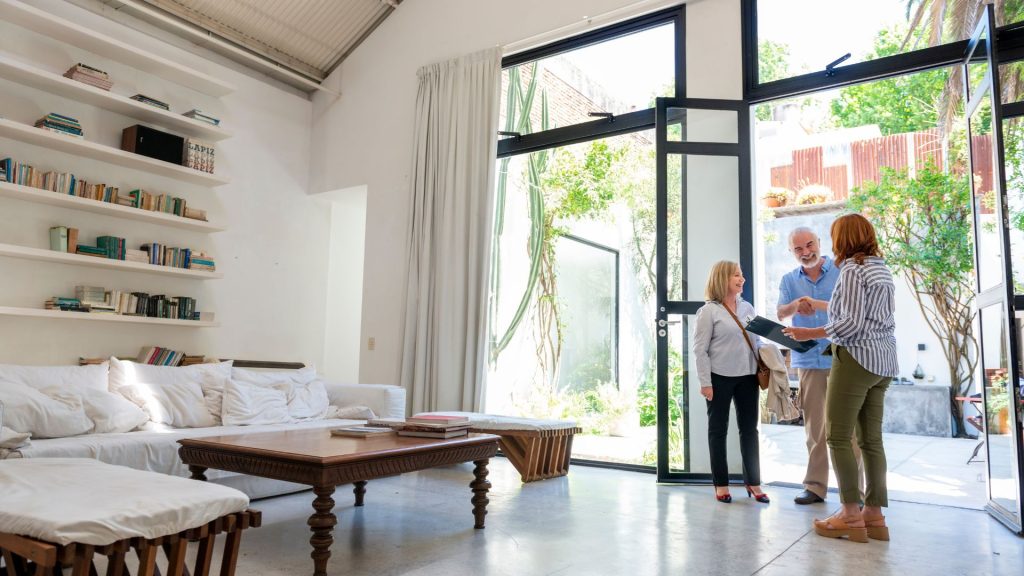
While decluttering is key, don’t empty the house to the point of barren (unless you’re going full professional staging). You likely want to leave some nice furniture and décor to help showcase the space. Store the excess, but keep key pieces that make each room make sense, e.g., a bed in each bedroom, a couch in the living room, a table in the dining area. But maybe you’ll remove that extra armchair, the kids’ bean bags, or the overflowing toy box.
Home staging is about editing: you leave enough to look inviting, but not so much that it looks messy or personal. You might even rearrange remaining furniture for better flow now that clutter is gone. As one storage blog put it, “Many home buyers are looking for more space. Removing and storing certain items helps your house look its best”. In other words, less is more when showing a home, so store what’s making rooms feel smaller or too uniquely “you”.
Store Off-Season Items and Large Collections
If you’re selling in summer, you can safely pack up and store winter items: heavy coats, snow boots, holiday decorations. If it’s winter, store summer gear: the patio furniture (if it makes your yard look cluttered or you’re not using it), the pool floats, etc. Also, any large collections (model cars, figurines, many books beyond a few for decoration) should be stored. They create visual clutter and also you wouldn’t want them accidentally broken by visitors.
Plus, if you’re moving anyway, packing your off-season and collectible stuff now means that much less to do later. One storage guide specifically mentions seasonal clothing as good candidates for early storage to make closets look spacious. Buyers do peek into closets; half-empty closets imply ample storage, which is a selling point.
Create a “Show-Ready” Environment
With excess stuff in storage, aim to keep what’s left in the home neat and staged at all times. It helps to have some daily living items also in small storage bins that you can quickly tuck away before showings (e.g., a caddy for toiletries you normally leave out, which you can hide under the sink). Some sellers even keep a large plastic bin handy so when a last-minute showing is scheduled, they can toss kids’ toys or countertop clutter into it and pop it in their car or closet. But since you’ve already stored the majority of things, maintaining a “show-ready” home will be far easier. Remember the advice: “Keep your home show-ready by using self-storage to stash away anything out of place”. The fewer items in the house, the fewer to manage each time you tidy up for buyers.
Plan Ahead for Moving Day
Storing items during your home sale has another benefit: you’ve essentially started the moving process early. When your home sells, you’ll retrieve items from storage and move them to your new place. To make that smooth, ensure you keep storage organised (as discussed) and think about how you’ll get stuff out. If you rented a storage unit only a few miles away, no problem, you or movers can get everything. If you did a portable container, coordinate with the company to deliver it to your new home on the right date. As you stored, hopefully you purged unneeded items (so you’re only storing what you truly want to keep). This saves you from paying to move junk.
Return Stored Items Thoughtfully to Your New Home
Once your house is sold and you’re ready to bring items out of storage, remember that your new place might be different in layout or size. Be strategic when unpacking stored items into your new home. You may find that some things you stored you didn’t miss at all, that could be a clue they’re not needed and you can donate or sell them instead of cluttering up the new space. Moving experts often say a big move is a perfect time to streamline your belongings. Also, because you labeled boxes by room, you can easily place them in the corresponding room in the new home.
Storing your movable items while selling your furnished house is a smart strategy to make your home more appealing to buyers and protect your belongings. By decluttering and using self-storage (or other solutions), you create a clean, spacious environment that can significantly help in securing a sale. Remember to pack carefully, label, and keep track of what you stored. It’s a bit of work upfront, but it pays off in smoother showings, potentially a higher sale price (because the home shows better), and an easier move once the house is sold. Selling a home can be stressful, but proper storage and organisation of your stuff removes one big worry from the equation. You’ll be able to focus on the sale, knowing your items are safe and your home is looking its best. Good luck with the sale and enjoy the journey to your next home!