If you’ve decided to declutter your home or need somewhere to keep belongings during life’s transitions, Lockit Local can be an excellent solution for personal storage. It’s a local, flexible storage service, essentially your “storage room around the corner”, but to get the most value out of it, you’ll want to plan and organise your approach.
Here’s a step-by-step guide on how to utilise Lockit Local effectively for your personal storage needs.
Determine What You Need to Store
Start by taking inventory of your items and deciding what should go into storage. Walk through your home and identify belongings that you don’t need on a daily basis but still want to keep, for example, seasonal decor and clothing, sports gear, archived documents, heirlooms, or furniture you’re saving for a future move. Decluttering experts advise sorting items by keep/store/donate before a move to storage. So, declutter first: separate out anything you can donate or discard, and only pack items truly worth keeping. This way you’re not paying to store clutter you don’t actually want. Making a simple list or spreadsheet of what will go to storage is very helpful, you can categorise by box or item type. This inventory will guide you in the next steps and later help you find things.
Choose the Right Storage Plan and Size
One great thing about Lockit Local is its flexibility, it offers a variety of unit sizes and short-term or long-term plans to suit your needs. To avoid renting more space than necessary (or conversely, cramming a too-small unit), take measurements of larger items and assess the number of boxes you have. Analyse your storage needs to determine the appropriate unit size. Lockit Local locations have units ranging from locker-sized to garage-sized, so pick one that fits your stuff with a little room to navigate.
If unsure, start a bit smaller, you can often stack efficiently, since Lockit’s flexible plans mean you can upgrade to a bigger unit later if needed without long-term commitments. Also consider location: Lockit Local’s concept is being “conveniently located near where you live or work”. So choose the nearest facility for ease of access (likely the one in your neighborhood). The convenience of proximity is a major perk, you’ll be more inclined to use your storage unit if getting there is quick and easy.
Pack Your Items Properly
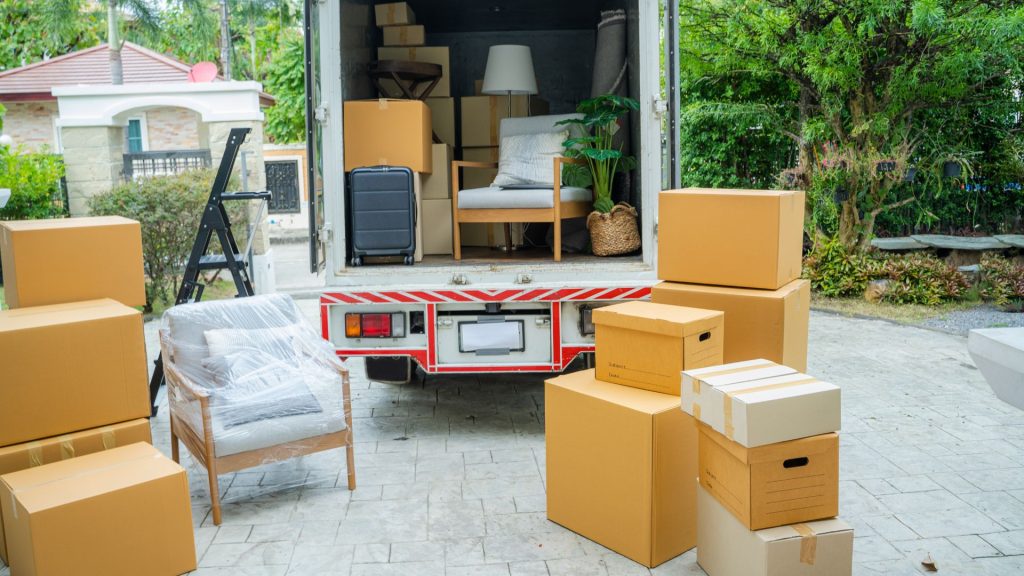
Treat your stored belongings with the same care as if you were moving. Pack efficiently and safely so that everything stays in good condition. Use sturdy, uniform boxes for most items, they stack well (making the most of vertical space) and protect contents. Lockit Local sells packing supplies or you can use your own; either way, remember to use good quality packing material like strong boxes, bubble wrap for fragile items, and furniture covers. Clearly label each box on multiple sides with its contents (e.g., “Kitchen, pots and pans” or “Winter Clothes”) and note if anything is fragile.
This labeling will save you tons of time when you later need to retrieve items. Disassemble furniture if possible (remove legs, etc., and keep hardware in taped bags) to save space. For clothes or fabrics, consider breathable storage bags. Tip: create an inventory list that matches your labels (for example, “Box 12, Christmas decorations”). This might sound tedious, but with Lockit Local’s digital approach, you could even keep this inventory on your phone for reference.
Good packing is not just about protection, it also lets you maximise the storage unit’s space by enabling safe stacking and organisation.
Organise Your Storage Unit for Easy Access
When moving your items into the Lockit Local unit, have a plan so you can get the best out of the space. Utilise the full height of the unit, place sturdy heavy boxes at the bottom and lighter boxes on top. If you have shelving racks, bring them; otherwise, you might install a simple shelf or use pallets to keep boxes off the floor. Also, utilise wall space if allowed: some storage users put up pegboards or hooks for items like bikes, bags, or tools, which frees floor space.
A key tip is to leave a walkway or gap so you can reach the back of the unit without unloading everything. Place the things you anticipate needing most often near the front of the unit. For example, if you’re storing seasonal attire, and it’s spring now, put the summer gear toward the back and winter clothes toward the front for easier swap-out.
Many veteran storage users even sketch a simple “floor plan” for their unit, essentially mapping where each type of item is stored. This doesn’t have to be fancy; you can draw a layout with zones (e.g., “Furniture on left, Boxes along right wall, pathway down middle”). Such a map of your storage unit can be a lifesaver later, especially if the unit is full. Lockit Local units are secure and private, so you can also keep a copy of your inventory list taped to the inside of the unit door if you want, as a quick reference when you visit. Taking a bit of time to organise at the outset means every visit to your storage is quick and frustration-free.
Take Advantage of Lockit Local’s Features
Using Lockit Local isn’t like traditional old-school storage, it’s designed to be user-friendly and tech-enabled. Make sure you download any Lockit Local app or digital key provided so that accessing your unit is seamless. The facilities have keyless digital entry and are monitored with smart tech for security, so you can have peace of mind that your items are safe.
One of the biggest advantages is the 24/7 access, you are free to visit your unit on your schedule. Need something late at night or early morning? No problem. To fully utilise this, consider your unit as an extension of your home storage. For instance, some people store “archive” items there but also things like bulk supplies or rarely-used equipment that they might occasionally need. Since the unit is local, you could even swing by to grab your camping gear for a weekend and return it after, it’s not a distant, last-resort storage, but rather a convenient secondary closet.
This mindset will help you get maximum value from Lockit Local: you’re not locking things away never to see them, you’re keeping them handy but out of your house until needed.
Maintain Your Storage Space
Lastly, periodically check on and refresh your stored items. Over time, you might find you can declutter even further, perhaps after a year, you realise you don’t really need certain stored items at all. Lockit Local’s flexible terms make it easy to adjust, you can downsize to a smaller unit if you shed items, or rotate new things in. At least once a year, visit your unit and do a quick audit: are all items still in good condition? (They should be, if packed well and climate is stable.)
Do any boxes need re-taping or relabeling? Also, reassess your inventory: for example, if you’ve stored lots of family memorabilia, maybe you’ll decide to digitise some of it and free up space. Maintaining an orderly unit will ensure you continue to get the best experience, everything stays findable and tidy. And of course, keep using the space! Swap out seasonal items (Lockit Local is great for this, e.g., store your holiday decorations and off-season sports gear). By actively using the unit year-round, you really leverage that extra space to keep your home clutter-free.
Following these steps, you’ll find that Lockit Local becomes a true asset in managing your personal belongings. It offers secure, convenient storage on your terms, and by organising your approach, you’ll maximise its benefits. From choosing the right unit, to smart packing, to enjoying 24/7 easy access, you’ll have a hassle-free experience.
Ultimately, utilising Lockit Local effectively means your home can stay spacious and organised, with the surplus items neatly housed nearby, giving you the best of both worlds in living space and storage space.